Bangladesh has made remarkable progress in eliminating open defecation, but significant challenges remain in achieving universal safely managed urban sanitation.
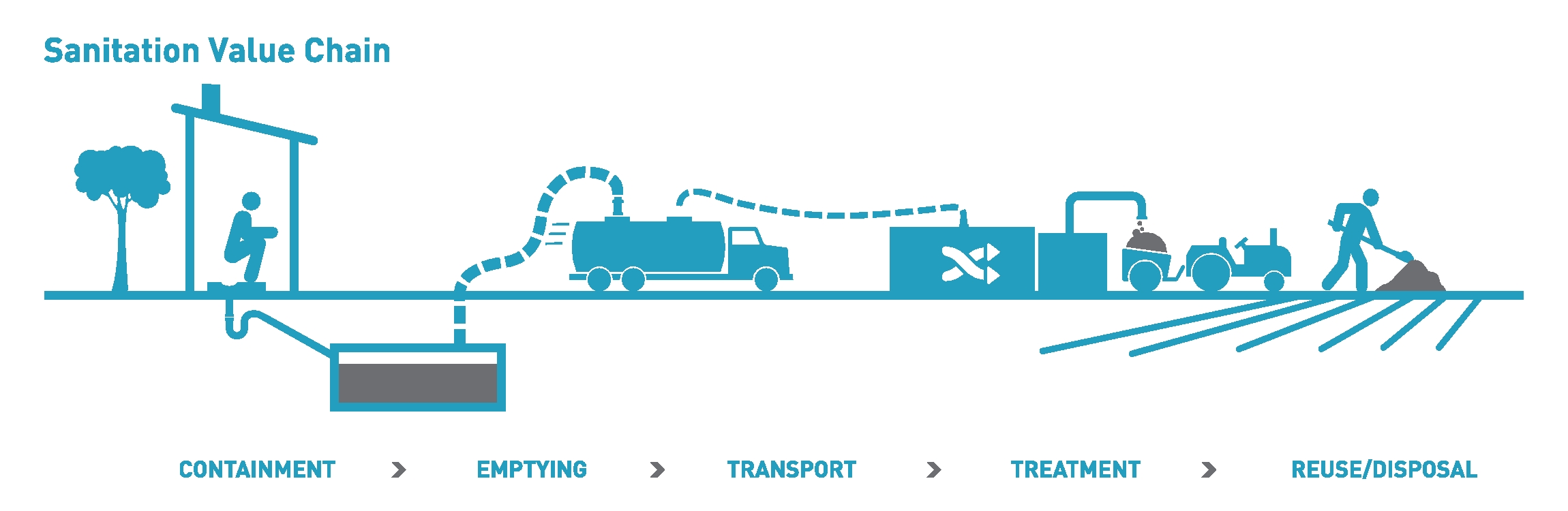
Safe sanitation requires effective management of faecal waste throughout the entire sanitation service chain, from containment to final treatment and disposal. This approach is known as Citywide Inclusive Sanitation (CWIS).
The sanitation management chain includes:
Safe Containment - Faecal waste must be securely contained in septic tanks or pit latrines, without direct discharge into drains, water bodies, or open environments.
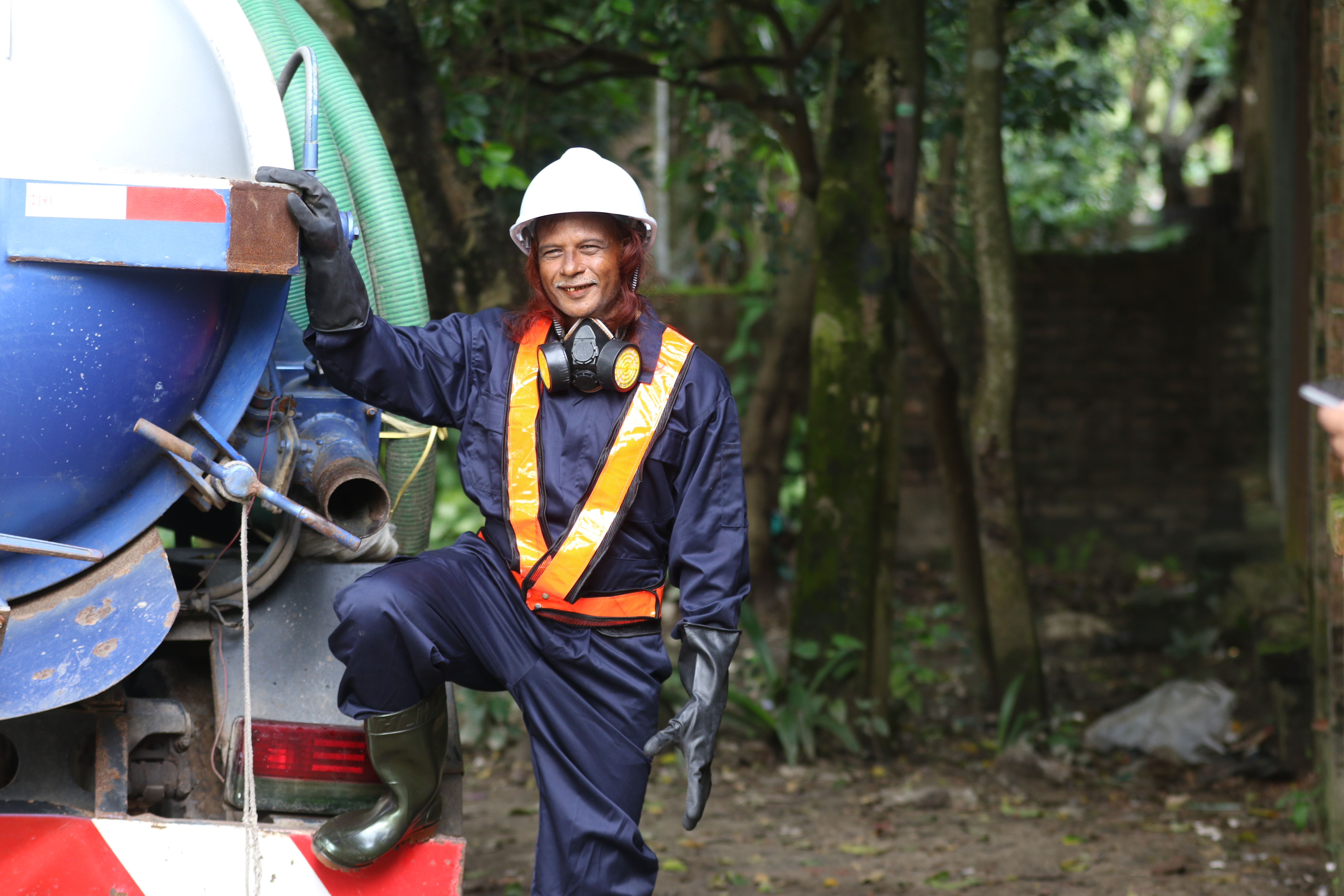
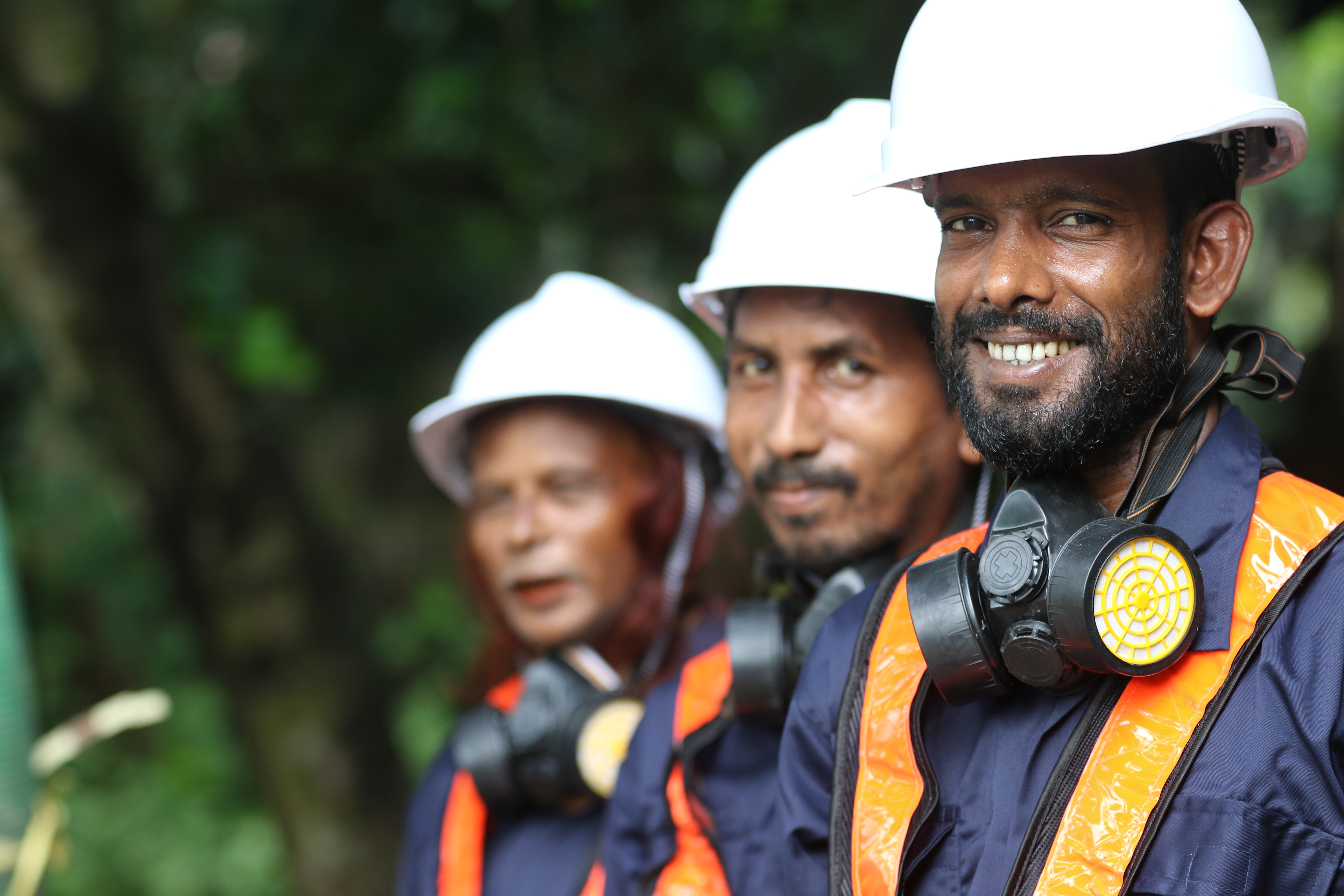
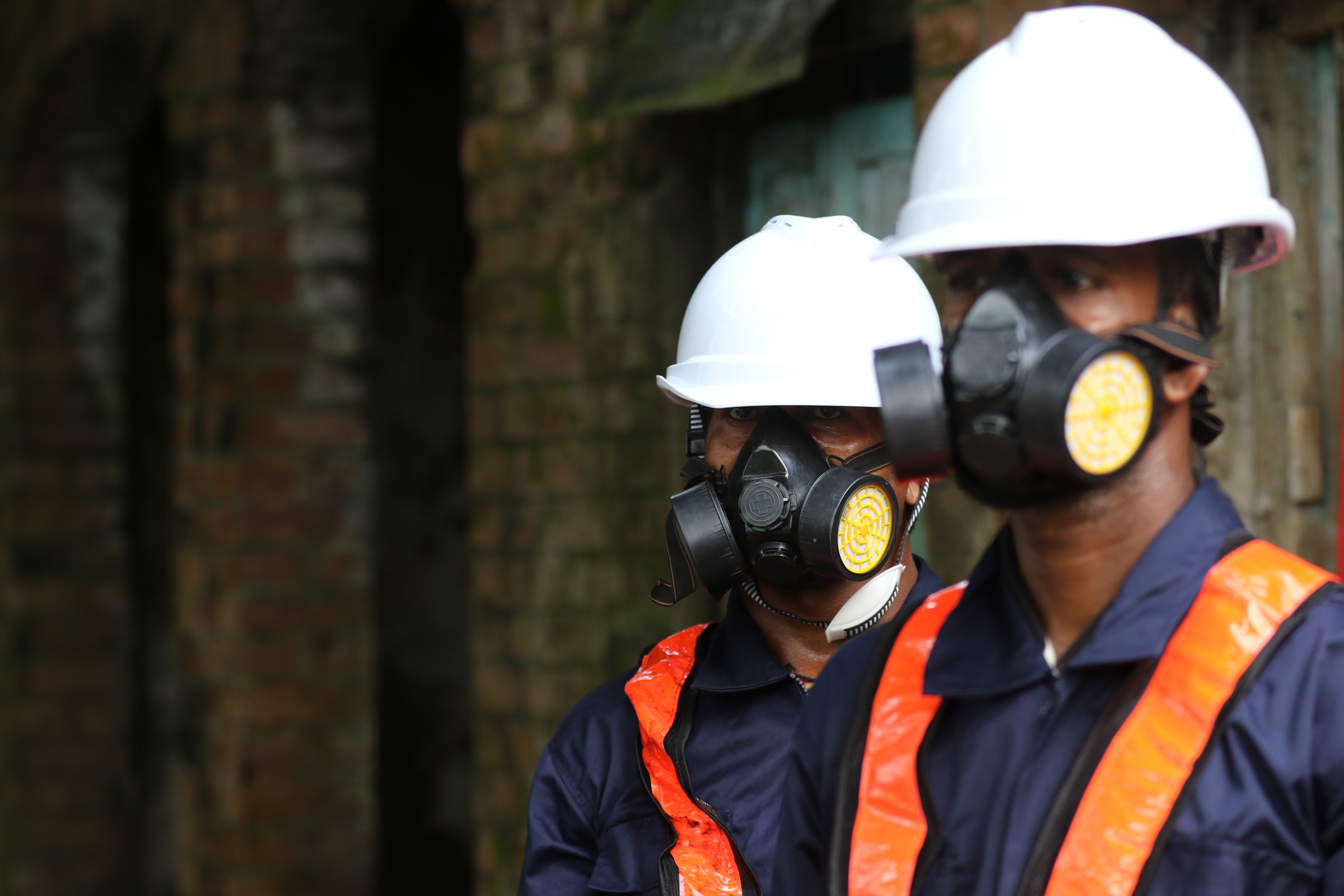
Safe Emptying - Waste should be removed using mechanized equipment and appropriate safety measures, ensuring the dignity and protection of sanitation workers.
Safe Transport - Collected waste must be transported safely to treatment facilities, avoiding illegal dumping that poses serious public health and environmental risks.
Treatment - At Faecal Sludge Treatment Plants (FSTPs), waste is treated to eliminate disease-causing pathogens.
Safe Disposal or Reuse - Treated waste can be safely returned to the environment or reused as a valuable resource, such as soil conditioner for agriculture.
Current status in Bangladesh:
67% of faecal waste is safely contained.
13% is mechanically and safely emptied.
10% is safely transported.
Only 2.6% reaches an FSTP for treatment.
While much work remains, encouraging progress is being driven by innovation, private sector engagement, and partnerships among local governments, NGOs, and sanitation workers.
The knowledge, technology, and business models already exist. Together, we can accelerate the transition to safely managed urban sanitation, improve the dignity and safety of sanitation workers, and create cleaner, healthier, and greener towns and cities.
Let’s accelerate together towards safe sanitation, towards dignity for sanitation workers, towards clean and green towns and cities...
Let’s accelerate together towards World Toilet Day 2026 and the World Toilet Summit.